Check out G&STC’s Director Jesse Kahn talking with Gabrielle Kassel at HealthCentral about dating while taking GLP-1s.
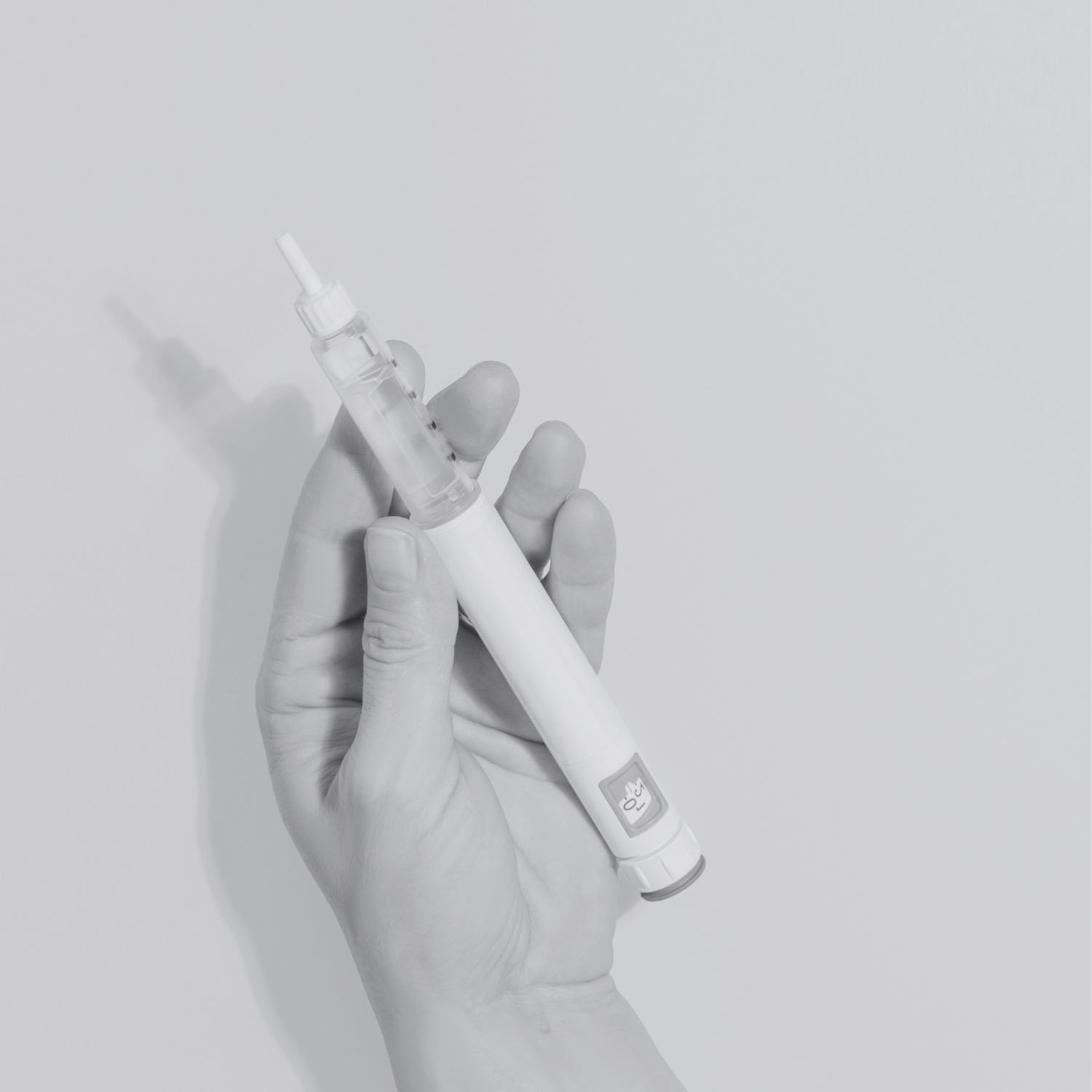
Keeping Respect in Focus
When you’re dating—and especially during a time of weight changes—it’s helpful to have a recap on what respectful behavior actually looks like. A kind, affirming partner is going to show interest in you as a whole person, not just your appearance, says mental health expert and sex therapist Jesse Kahn, director of The Gender & Sexuality Therapy Center in New York City. They won’t make comments that tie your worth to your body size, monitor your food, or police your exercise, dress, or body in any other way. Simply, your body is far from the main or secondary focus of the relationship, they say.
Make Room for Mixed Emotions
There’s a narrative that weight loss will translate to increased confidence and greater ease in dating. Sometimes it does. “If you’re someone whose body never felt like home, the physical change of weight loss treatment can open up a felt sense of presence, groundedness, and home in your body,” says Kahn. But it’s not always that simple. “It can feel disorienting to have a body that’s changing underneath you,” they say. For those who’ve spent years building a relationship with their body as it was, these shifts can feel like a kind of loss, even when they’re chosen.
Build Self-Esteem Outside of Dating
With how appearance-driven dating can feel, it’s important to invest in your sense of self beyond apps and attraction, says Kahn. In practice, that means investing energy in the relationships, activities, and communities that remind you who you are beyond your appearance, they say. And that doesn’t stop offline, either. Because the images we surround ourselves with impact how we see ourselves, “it can also help to curate your digital spaces and social circles to include people who affirm body diversity and push back against appearance-based hierarchies,” adds Kahn.
Read the full article here.
More from G&STC director Jesse Kahn on this topic:
Weight stigma shows up on dating apps and social media through exclusionary language, algorithmic bias, and a heavy emphasis on photos that prioritize certain bodies over others. What often gets framed as “preference” is shaped by fatphobia, racism, ableism, and cisnormativity, which define who is seen as desirable or even visible. This is an opportunity for us to question those norms and recognize how desirability is socially constructed.
GLP-1s have intensified focus on weight and “before and after” narratives, which can reinforce the idea that thinner bodies are more worthy of love and attention. At the same time, they have added complexity, with people navigating shifts in how they are perceived and how they relate to their own bodies while dating.
This moment gives us the opportunity to challenge the assumption that body change equals success, and to center autonomy, consent, and self-defined desirability instead.
Tips for protecting your sense of self & self-esteem in a world that feels appearance-driven (all of which are easier said than done, but):
Ground your sense of self in your values, relationships, and experiences, not in how closely your body aligns with dominant beauty norms.
Curate your digital spaces and dating environments to include people and communities that affirm body diversity and resist appearance-based hierarchies.
Question who taught you what is “attractive” and allowing yourself to define desirability on your own terms.
A body that's changing underneath you can make dating feel disorienting, because you're trying to be known by someone at the same time that you're still figuring out who you are in this new physical reality.
For folks who have spent years developing a relationship with their body as it was, including building identity, community, and self-understanding around it, change can feel like a kind of loss even when it's one you chose. On the other hand, for someone whose body never felt like home, physical change can open up a felt sense of presence and groundedness that makes intimacy feel more possible, not less. Both experiences are real, and neither cancels the other out.
There is no requirement to disclose body changes or medication use, and you get to decide what feels private versus shareable.
Not disclosing can feel like “lying” or “withholding” when we have internalized the idea that our bodies need to be explained or justified to others. It can help to check in with your intention, your emotional comfort, and whether sharing would support connection or create pressure. Try pacing disclosure and noticing how someone responds to smaller moments of vulnerability first
Tips for exploring intimacy while on a new medication that could impact sexual functioning for better or for worse:
Start with open, low-pressure conversations about expectations, changes in desire or sensation, and what feels supportive right now. Intimacy can mean expanding beyond goal-oriented sex and focusing on pleasure, connection, and consent in a broader sense. Taking pressure off might look like slowing down, experimenting, exploring, and normalizing that bodies shift over time. Checking in regularly both with yourself and your sexual partner(s) can keep intimacy collaborative and pleasure centered rather than performance-based.